
Exploring San Francisco and the Future of Transportation: My Experience with Waymo Driverless Cars
During my recent visit to San Francisco, I had the chance to experience firsthand the cutting-edge technology that’s redefining the future of transportation. It was a trip filled with excitement, especially when I encountered one of the most talked-about features of the city’s tech-driven transformation – Waymo’s autonomous vehicles.
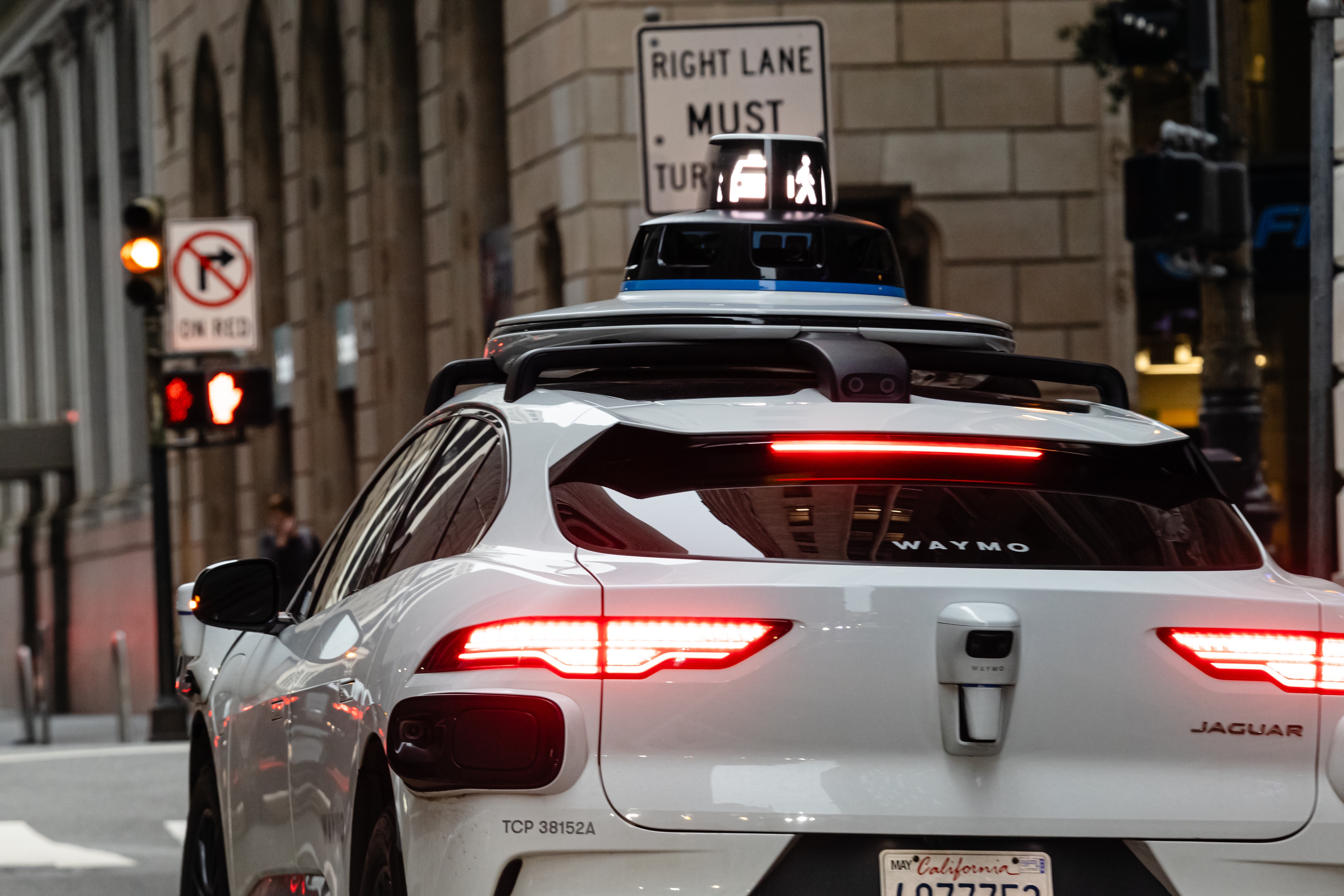
For those unfamiliar, Waymo is a subsidiary of Alphabet (Google’s parent company), specialising in self-driving car technology. The vehicles I saw on the streets of San Francisco were no ordinary cars—they were sleek, high-tech Jaguar models fitted with all the sensors and cameras necessary for autonomous driving. It was a surreal experience to see these driverless vehicles gliding through the busy streets of one of the most bustling cities in the world.
My Encounter with Waymo’s Jaguar Driverless Cars
As I walked through the city, I noticed the sleek Jaguars rolling silently along the road. They had a futuristic look with their polished exteriors and were easily distinguishable by the array of sensors and cameras mounted on the roof and around the vehicle’s body. The idea of driverless cars is fascinating on its own, but witnessing these vehicles in action was something else.
What struck me most was how smoothly these cars operated. With traffic swirling around them, the cars navigated intersections, stops, and turns without any signs of hesitation. As someone who’s always been curious about the future of transportation, it was thrilling to see autonomous vehicles in their natural habitat, performing as though they were just another part of the city's ecosystem.
The Magic Behind the Technology: Tyre Maintenance and the Autonomous Future
One of the big questions I had while watching these vehicles was about the upkeep and maintenance of these autonomous machines. Tyre maintenance, for instance, is a critical aspect of ensuring any vehicle runs safely, whether it's driven by a human or autonomously. While I could imagine the complex systems that control everything from steering to braking, I wondered how companies like Waymo ensure that their vehicles' tyres remain in optimal condition.
I later learned that Waymo's vehicles are equipped with advanced monitoring systems that keep track of various vehicle components, including tyres. These systems continuously check the condition of the tyres and alert the maintenance team if any issues arise, such as a drop in air pressure or unusual wear patterns. The goal is to prevent any issues before they escalate, keeping the car in top shape for safe and efficient operation.
Given that the vehicle doesn't have a human driver to spot issues like a flat tyre or excessive wear, the autonomous systems are responsible for both detecting and responding to these problems. Tyre replacement or maintenance tasks are then performed automatically, often with minimal human intervention.
How Driverless Cars Return to the Garage After Service
Another fascinating aspect I discovered during my visit was how these self-driving cars are able to return to their garage after service. This feature is part of the broader autonomous ecosystem that makes life easier for both operators and passengers. Once a vehicle has finished its service, it can autonomously navigate back to its designated garage, without requiring a human driver to be present.
The car uses its sensors and mapping data to determine the most efficient route back to the garage. It’s an incredible example of how self-driving technology can be integrated into the larger framework of fleet management. Instead of relying on someone to drive the car back or having to rely on a separate vehicle, Waymo’s cars have the ability to take themselves home.
This autonomous return feature also helps optimize the use of the fleet, ensuring that cars are always ready to go for their next passengers. This system is both efficient and ensures a higher level of convenience for passengers and operators alike.
The Future of Autonomous Vehicles in San Francisco
San Francisco, with its tech-savvy population and history of embracing innovation, is the perfect testing ground for self-driving cars. During my time there, I saw that the city has already begun integrating these vehicles into its fabric, making them an increasingly common sight on the roads.
As someone who's always intrigued by the intersection of technology and daily life, I was thrilled to witness this firsthand. I couldn’t help but wonder how many of us will experience the reality of fully autonomous driving in the coming years. In a city that’s constantly evolving, the presence of these vehicles marks just the beginning of a new era in transportation.
In conclusion, my visit to San Francisco was made all the more memorable by the opportunity to see Waymo’s driverless cars in action. These vehicles represent the future of mobility—combining cutting-edge technology with sustainable solutions for the challenges of modern cities. As autonomous cars like the Jaguar Waymo vehicles become more commonplace, we’re getting a glimpse into a world where technology makes travel smoother, safer, and more efficient.
I left San Francisco with a sense of awe, imagining a world where cars drive themselves, take care of maintenance automatically, and even return to their garage after a long day of service. It’s clear that the future of transportation is already here, and it’s happening in places like San Francisco. I can't wait to see what’s next!
You might also be interested in
Apr 1, 2026
The Benefits of Owning a Retail Tyre Shop
Owning a retail tyre shop can be a highly rewarding business venture, offering both financial stability and long-term growth potential. In an industry driven by necessity rather than trends, tyre serv

Mar 25, 2026
Retail Tyre Shops in Australia - Rising Rents
Retail tyre shops in Australia are facing a period of significant structural change. While demand for tyres and automotive services remains steady, the cost of occupying well-located retail space is r