
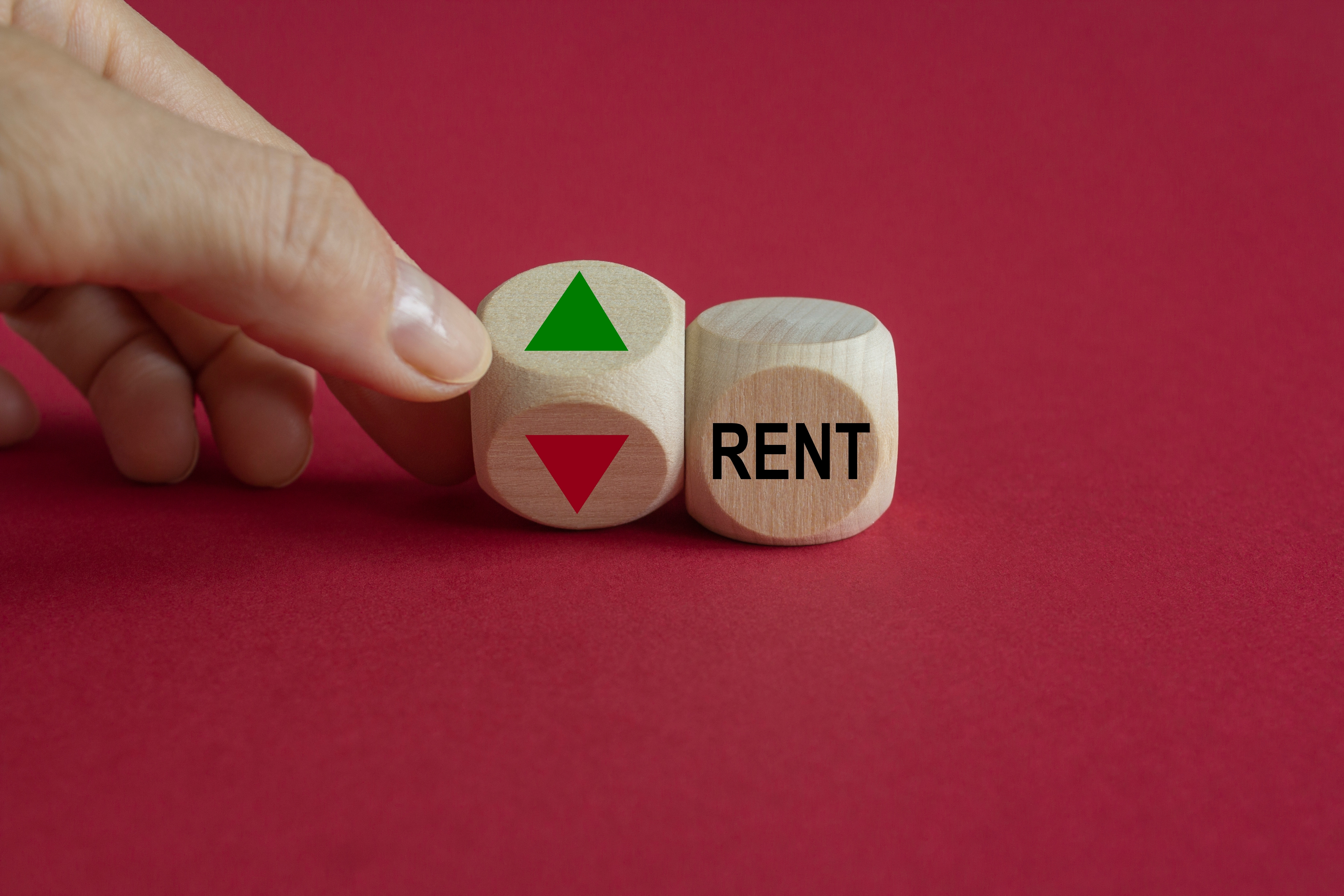
Retail Tyre Shops in Australia - Rising Rents
Retail tyre shops in Australia are facing a period of significant structural change. While demand for tyres and automotive services remains steady, the cost of occupying well-located retail space is rising sharply. For many operators, especially independents, this shift is putting increasing pressure on margins and long-term viability.
Tyre retailing has always been a location-driven business. Visibility, ease of access, and proximity to main roads or residential growth corridors are critical to attracting both passing traffic and repeat customers. These same characteristics, however, are exactly what make these sites attractive to landlords and competing tenants, which in turn is driving up commercial rents.
Australia’s retail property market has tightened in recent years. Strong population growth, limited supply of well-positioned large-format retail sites, and renewed investor interest have all contributed to rising rents. For tyre shop operators, this means that securing and holding onto a suitable site is becoming more difficult and more expensive.
The impact on profitability is real. Tyre sales are highly competitive, and customers are typically price-sensitive. Margins are influenced by wholesale tyre costs, labour, and equipment, leaving limited room to absorb rising occupancy expenses. Traditionally, rent has been a manageable percentage of revenue, but in many cases it is now exceeding sustainable benchmarks. When rent increases outpace revenue growth, the result is margin compression and reduced capacity to reinvest in the business.
In this environment, lease structure becomes a critical strategic consideration rather than just a legal formality. Short-term leases or poorly negotiated agreements expose operators to significant risk, particularly in high-demand locations where landlords have strong leverage.
Securing a long-term lease provides a level of certainty that is increasingly valuable. It allows business owners to plan ahead, invest in equipment and staff, and build a stable customer base without the constant risk of relocation. For tyre shops, which often require substantial fit-out and specialised infrastructure, stability of tenure is essential.
Equally important is ensuring that leases are registered. A registered lease provides legal protection by formally recording the tenant’s interest on the property title. This becomes particularly important if the property is sold or if there are competing claims. Without registration, a tenant may be more exposed to changes that could disrupt their business.
Option periods are another key element of a strong lease strategy. These options give tenants the right to extend their lease beyond the initial term under predefined conditions. In a rising rental market, this can be a major advantage. It allows operators to retain control of their location without being forced into a full renegotiation at market rates.
For tyre shop owners, option periods can directly influence business value. A site with a secure long-term lease and multiple options is far more attractive to buyers and lenders than one with limited tenure remaining. It provides confidence that the business can continue operating in its current location for years to come.
Given the current trajectory of commercial rents in Australia, tyre retailers need to be proactive. Negotiating longer initial lease terms, securing multiple option periods, understanding rent review mechanisms, and ensuring lease registration should all be considered essential steps rather than optional extras.
In the years ahead, success in the tyre retail sector will depend not only on service quality and pricing, but also on the strength and structure of the lease behind the business. Long-term, registered leases with well-negotiated option periods are quickly becoming a fundamental requirement for sustainable operation.
You might also be interested in
Apr 1, 2026
The Benefits of Owning a Retail Tyre Shop
Owning a retail tyre shop can be a highly rewarding business venture, offering both financial stability and long-term growth potential. In an industry driven by necessity rather than trends, tyre serv

Dec 21, 2025
Selling a Small Business in Australia: Pro Rata Sick and Carer’s Leave and the Reality of Use
When selling a small business such as a retail tyre shop or other owner-operated business in Australia, employee entitlements can become a point of negotiation at settlement. Sick and carer’s leave is