

Why Tyre & Mechanical Businesses Can Perform Strongly in Tough Economic Times
When economic conditions become difficult, many businesses feel the pressure almost immediately. Consumers cut discretionary spending, businesses postpone investment and confidence falls.
However, the tyre and automotive mechanical industry has historically shown an important degree of resilience during challenging economic periods.
From oil shocks and financial crises to stock market downturns and the COVID-19 pandemic, one basic fact has remained: people still need their vehicles.
And when consumers become reluctant to buy a new vehicle, they generally need to keep their existing vehicle on the road for longer.
When New Car Purchases Slow, Maintenance Doesn't Stop
A new vehicle is one of the largest purchases most households will make.
When interest rates are high, employment is uncertain or household budgets are under pressure, replacing a vehicle can often be postponed.
Servicing and repairing the vehicle already sitting in the driveway is a very different decision.
A customer might delay buying a $50,000 or $70,000 new vehicle, but they still need to get to work, take the children to school, run their business and go about their daily lives.
That existing vehicle still needs tyres, brakes, servicing, batteries, suspension components, wheel alignments and general mechanical repairs.
In fact, keeping vehicles for longer can create additional maintenance requirements as those vehicles age.
This creates a very different economic dynamic from many discretionary retail industries.
A History of Economic Disruption
Over the past several decades, the economy has experienced numerous major disruptions.
The oil crises of the 1970s caused significant economic uncertainty and inflation.
The 1987 stock market crash wiped enormous value from global share markets.
The Global Financial Crisis of 2007–2009 resulted in falling consumer confidence, tighter lending conditions and significant financial uncertainty.
Then came COVID-19 in 2020, which disrupted almost every sector of the economy.
Each event was different, but consumers repeatedly responded to uncertainty by reconsidering major purchases and focusing more heavily on necessities.
For the automotive aftermarket, this can mean maintaining and repairing the vehicles people already own rather than replacing them.
COVID Demonstrated the Importance of the Automotive Industry
COVID was an extraordinary test for Australian businesses.
Many industries were forced to close or operate under severe restrictions. Automotive repair and maintenance, however, was widely recognised as an important service because vehicles were still required for essential workers, transport, freight, businesses and everyday mobility.
The pandemic reinforced something tyre and mechanical operators already understood.
Vehicles are not simply discretionary purchases.
For millions of Australians, they are essential infrastructure for everyday life.
Tyres Are a Necessity, Not a Luxury
There is another fundamental difference between the tyre industry and many other retail sectors.
Eventually, tyres have to be replaced.
A customer might postpone buying new furniture, upgrading a television or taking an overseas holiday.
Worn tyres are different.
Once a tyre reaches the end of its safe and legal life, replacement becomes necessary.
The same principle applies to many mechanical components. Brakes, batteries and essential repairs cannot always be postponed indefinitely.
This creates a recurring demand cycle that is difficult to replicate in many other industries.
Australia's Dependence on Motor Vehicles
Australia's geography also supports the automotive aftermarket.
Outside the inner areas of our largest cities, private vehicles remain an essential part of everyday life.
Tradespeople rely on utes and vans. Families rely on cars. Regional communities often have limited public transport alternatives. Businesses depend on commercial vehicles and fleets.
Every one of those vehicles requires tyres, servicing and maintenance.
For tyre and mechanical businesses with a strong commercial, agricultural or fleet customer base, demand can be even broader than the traditional retail motorist.
Older Vehicles Can Mean More Workshop Work
Economic uncertainty can actually change where consumers spend their automotive dollars.
Instead of asking:
"Should I replace my car?"
the question becomes:
"What do I need to spend to keep this car reliable for another few years?"
An older vehicle will generally require more maintenance than a newer one.
Suspension components wear. Batteries fail. Brakes need replacement. Wheel alignments become necessary. Cooling systems, belts, hoses and other components eventually require attention.
So while weaker economic conditions can reduce new-car purchasing, they do not necessarily remove automotive expenditure.
Some of that expenditure can simply shift from vehicle replacement into maintenance and repair.
Essential Service With Repeat Customers
One of the attractions of a well-established tyre and mechanical business is the potential for repeat business.
A satisfied customer doesn't purchase tyres once and disappear forever.
They return for servicing, rotations, alignments, brakes, batteries and eventually another set of tyres.
Commercial and fleet customers can provide an even stronger recurring revenue base, particularly where a business has developed long-term relationships with local companies, tradespeople, transport operators and government or corporate fleets.
This makes customer relationships and local reputation particularly valuable assets within a successful tyre and mechanical business.
Not Recession-Proof — But Historically Resilient
No business should ever be described as completely recession-proof.
Tyre and mechanical businesses still face challenges including labour costs, interest rates, rent, supplier pricing, competition and changing consumer behaviour.
Customers can also postpone non-essential repairs or choose cheaper products when household budgets are under pressure.
But there is an important distinction between a business selling something consumers want and a business providing something consumers frequently need.
People can delay replacing their car.
They can postpone many discretionary purchases.
But eventually, they still need safe tyres, working brakes and a reliable vehicle.
That fundamental need has helped quality tyre and mechanical businesses remain remarkably resilient through many different economic cycles.
Why This Matters When Buying a Business
For someone considering purchasing a business, it's worth looking beyond what happens during strong economic conditions.
A more important question can be:
"What happens to this business when the economy slows down?"
An established tyre and mechanical business can offer several characteristics buyers often look for — essential services, repeat customers, recurring maintenance requirements, established supplier relationships, skilled staff and demand linked to Australia's enormous existing vehicle fleet.
Economic conditions will continue to change.
There will be periods of strong growth and periods of uncertainty.
But Australians will continue driving.
And as long as they're driving, their vehicles will continue needing tyres, servicing and repairs.
You might also be interested in
Apr 1, 2026
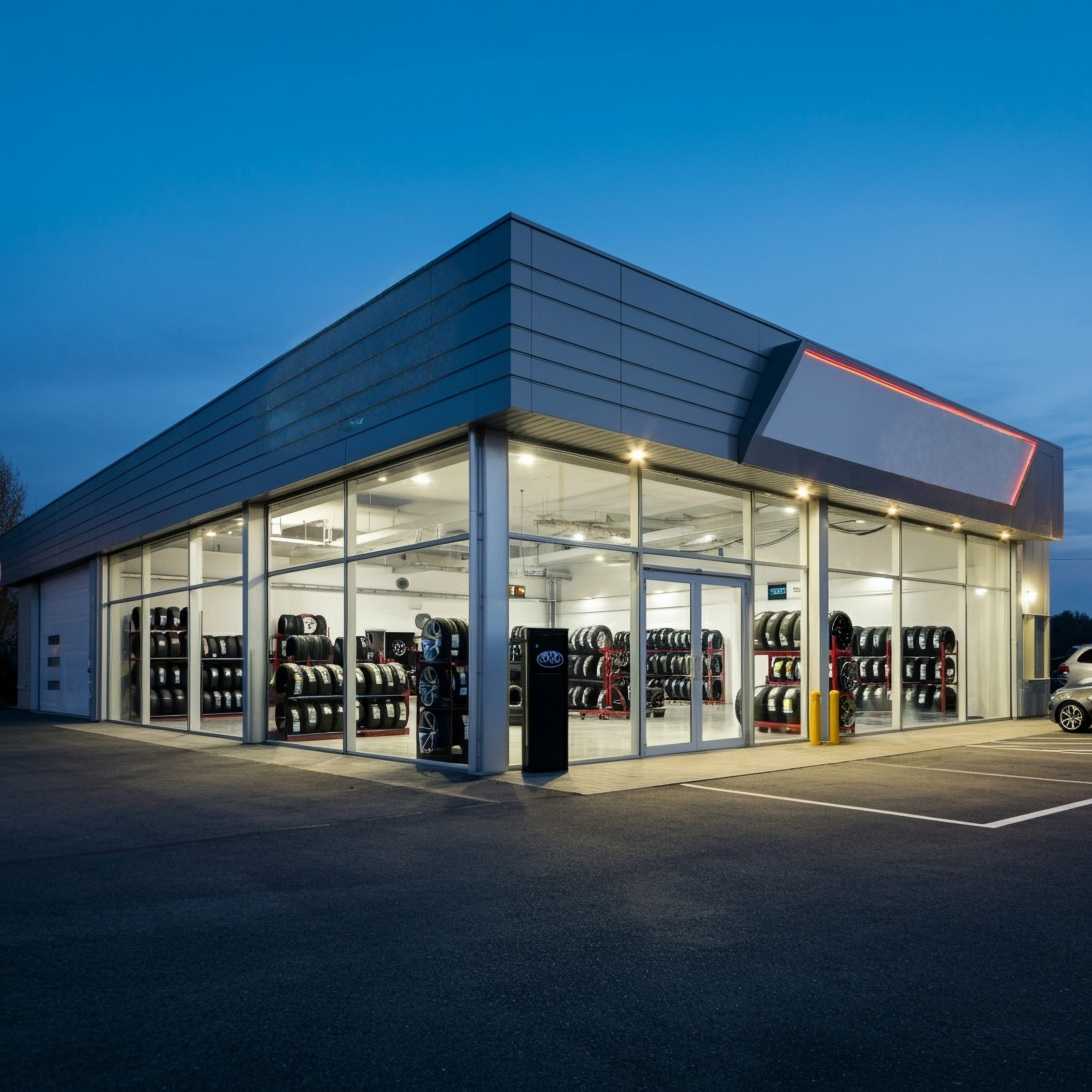
The Benefits of Owning a Retail Tyre Shop
Owning a retail tyre shop can be a highly rewarding business venture, offering both financial stability and long-term growth potential. In an industry driven by necessity rather than trends, tyre serv
Mar 25, 2026
Retail Tyre Shops in Australia - Rising Rents
Retail tyre shops in Australia are facing a period of significant structural change. While demand for tyres and automotive services remains steady, the cost of occupying well-located retail space is r